

Introduction: A New Alternative to Aluminum LED Profiles
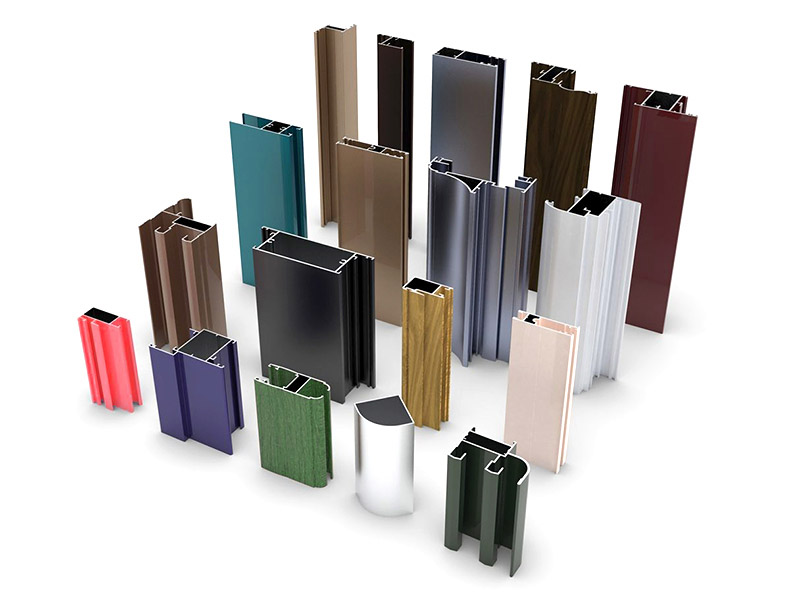
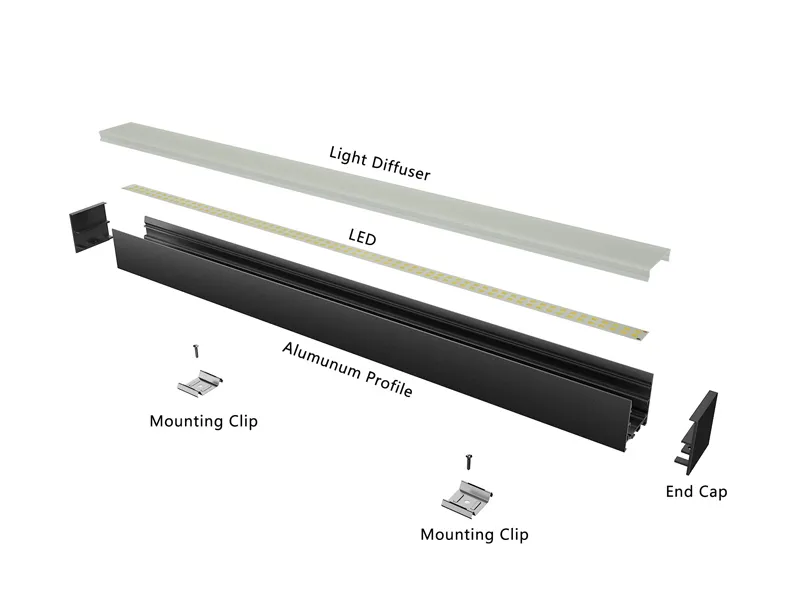
For years, aluminum LED channels have been the industry standard to hold LED strips. When we hear the word “LED profiles” we normally picture of solid, silver-colored metal rails with a polycarbonate diffuser. Aluminum is durable, but it’s not always the best choice for every project, especially when weight, cost, and certain specific environments (like high humidity) are concerns.
At TANGOO, we’ve spent the past year researching and testing a more flexible option: the LED Plastic Channel.This isn’t just a replacement; it’s an innovative design to solve the limitations of traditional metal profiles.
Comparison: LED Plastic Channel vs. Aluminum Profile
| Feature | Aluminum LED Channel | TANGOO LED Plastic Channel |
| Material | Extruded Aluminum (6063-T5) | High-Grade PC/PMMA |
| Weight | Standard / Heavy | 60-70% Lighter |
| Corrosion | Risk of oxidation in damp areas | 100% Corrosion Resistant |
| Insulation | Conductive (Needs caution) | Excellent Electrical Insulation |
| Cost | Higher (Material & Shipping) | More Budget-Friendly |
Key Benefits of Switching to LED Plastic Channels
1. Lightweight and Easy to Installation
The weight of the materials is one of the main problems with big projects. Our LED plastic channels are very light, which makes them easier to work with on the job site, especially when installing them in high ceilings or behind cabinets. The material is a little flexible, so it can fit around little curves in the wall that rigid aluminum can’t.
2. High Versatility and Customization
Plastic’s inherent properties enable more complex extrusion designs. From a streamlined, modern profile to a specialized frosted PMMA diffuser designed to eliminate dots in your lighting, plastic channels provide greater flexibility in terms of shapes and finishes. We can tailor the color and transparency to align precisely with your design intentions.
3. Cost-Effective for Large Projects
Plastic profiles might make a big difference if you are in charge of a project with a low budget. The material is not only cheaper than aluminum, but it is also lighter, which makes international transportation costs much lower. This is very important in today’s global trade.
4. Superior Corrosion Resistance and Safety
Aluminum can rust over time in places like kitchens, bathrooms, or by the sea. Plastic is naturally resistant to moisture and chemicals, which makes it endure considerably longer. Additionally, as a non-conductive material,it acts as built-in electrical insulation,reducing the risk of short circuits.
Where to Use LED Plastic Channels?
Residential Solutions
- Under-Cabinet Lighting: Ideal for kitchens, especially where moisture is a concern.
- Cove Lighting: Achieve a gentle, ambient light in living rooms using lightweight, easily concealed tracks.
- Closet & Wardrobe: Sleek profiles that won’t clutter your furniture.
Commercial & Industrial Applications
- Retail Displays: Boost product visibility with customizable shapes that adapt to any shelf.
- Hospitality: Robust and secure lighting solutions for hotels, bars, and restaurants.
- Signage & Machinery: Perfect for exterior signs or machine housings that demand insulation and chemical resistance.

How to Select the Right LED Plastic Profile
When choosing your channel, keep these factors in mind:
- Material Choice (PC vs. PMMA): PC is more durable and heat-resistant, while PMMA offers higher light transmittance and UV stability.
- Internal Width: Ensure the channel is wide enough for your LED strip (e.g., 8mm, 10mm, or 12mm).
- Mounting Type: Choose between surface-mounted, recessed, or corner-mount depending on your space.
Maintenance Tips for Long-Lasting Brightness
- Regular Cleaning: Use a soft cloth and gentle detergent to remove dust from the diffuser to maintain the best light output.
- Avoid Excessive Heat: While our PC materials are heat-resistant, ensure proper ventilation for high-power LED strips to prevent yellowing over time.
Frequently Asked Questions (FAQs)
Q1: Are LED plastic channels as durable as aluminum profiles?
While aluminum is more rigid, our high-grade PC (Polycarbonate) channels are designed for high impact resistance and long-term durability. They won’t dent like thin aluminum and are 100% immune to rust and oxidation, making them more durable in high-humidity or coastal environments.
Q2: Will the plastic LED profile turn yellow over time?
We use high-quality UV-stabilized PC and PMMA materials. Our professional-grade LED profiles are made to resist yellowing and keep good light transmittance, even when they exposure to LED heat and sunshine for a long time.
Q3: Can I use high-power LED strips in a plastic channel?
Our LED plastic channels are specifically engineered for low-voltage LED strips, such as 5V, 12V, or 24V systems. While our PC (Polycarbonate) profiles offer excellent heat resistance, they are ideally suited for decorative and accent lighting rather than high-wattage industrial applications.
Q4:Is it easier to cut and install plastic LED channels?
Absolutely. One of the main advantages is that you can cut plastic profiles with standard tools without the risk of sharp metal burrs. Their lightweight nature also allows for secure mounting using simple clips or industrial-strength adhesive tapes, saving significant labor time.
Q5: What is the difference between PC and PMMA diffusers?
PC (Polycarbonate) is exceptionally tough and heat-resistant, ideal for areas where the profile might be bumped. PMMA (Acrylic) has better clarity and higher light transmission, providing a “dot-free” smooth lighting effect that many high-end designers prefer.
Conclusión
The LED plastic channel is a flexible, affordable, and safe alternative to aluminum in the lighting business as it changes. Our plastic profiles are great for designers who want more creative freedom or contractors who want to save money without giving up quality.
Are you ready to improve your next lighting project? Call us today to get a sample of our newest LED plastic channels and discover how much better they are and how easy they are to use.